
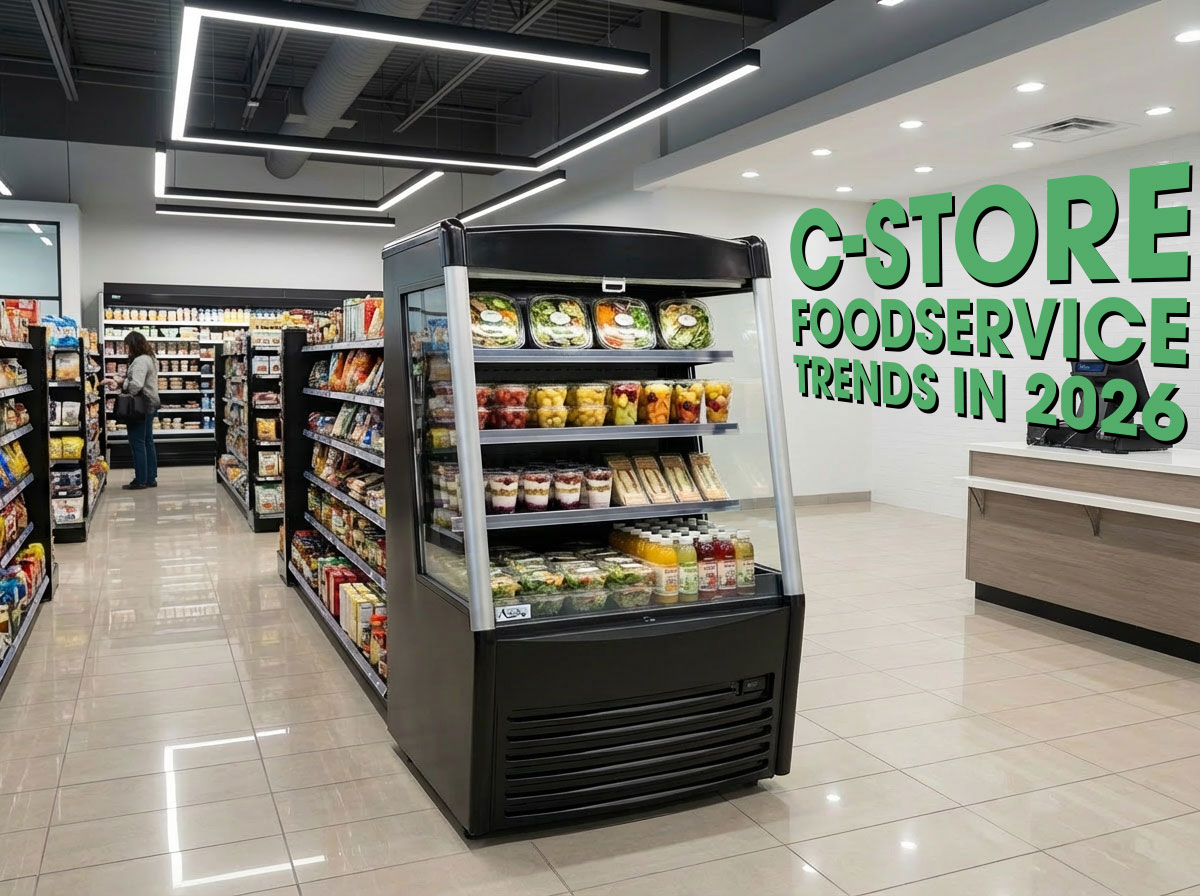
A recent report from CStore Decisions highlights seven foodservice segments expected to shape convenience store sales in 2026. The takeaway? Food service isn’t just growing, it’s redefining what a successful c-store looks like.
If you’re operating in this space, you already know: fuel may bring them in, but food keeps them coming back.
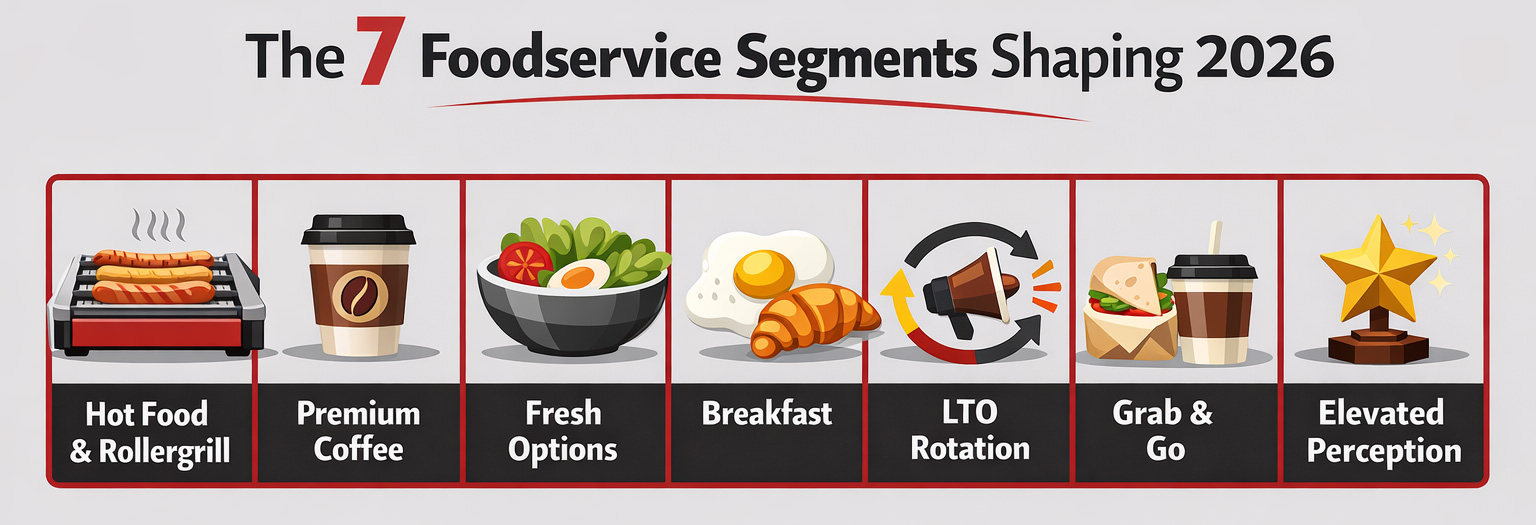
1. Hot Prepared Foods & Rollergrill Innovation
Hot food continues to be a core driver of in-store traffic and profitability. Rollergrills remain a staple, but they’re evolving beyond traditional hot dogs. We’re seeing expanded offerings like taquitos, egg rolls, breakfast sausages, and limited-time specialty items.
According to industry data from National Association of Convenience Stores (NACS), prepared food remains one of the highest-margin categories in convenience retail.
What this means:
- Capacity matters.
- Visibility matters.
- Holding temperature consistency matters.
- Cleanability and durability matter.
A well-designed rollergrill program isn’t just about the equipment itself. It’s about how it’s integrated into the counter flow, condiment area, and impulse path. When hot food is front and center, sales follow.
2. Beverage Programs That Compete With QSR
Coffee and specialty beverages continue to grow, and customers now expect quality comparable to quick-service restaurants.
Cold brew, nitro, flavored syrups, premium beans, iced coffee, and seasonal programs are no longer “nice to have.” They’re traffic drivers.
The modern ultimate coffee area needs:
- Strong visual branding
- Organized condiment zones
- Efficient cup dispensing
- Clear menu communication
- Clean, intentional layouts

A cluttered coffee station sends the wrong message. A structured, well-lit, well-branded setup communicates quality before the first sip.
3. Fresh & Better-For-You Options
Consumers continue to seek fresh, portable, and better-for-you options. Protein packs, fresh sandwiches, salads, fruit cups, and healthier snacks are carving out more shelf space.

This is where thoughtful merchandising plays a role. Open-air coolers, vertical display systems, and clearly defined foodservice kiosks help separate fresh food from traditional packaged snacks.
Dedicated foodservice kiosks can elevate perception, turning a corner of the store into a destination instead of just another case.
4. Breakfast as a Growth Engine
Breakfast remains one of the biggest opportunities in food service. Early-day traffic, commuter convenience, and high repeat behavior make it incredibly valuable.
Rollergrills featuring breakfast sausages and burritos, paired with a strong coffee program, create a powerful morning combination.

The key? Speed and visibility.
If customers can grab hot breakfast items and coffee in under a minute, you win. Store design that reduces friction at peak morning hours is essential.
5. Limited-Time Offers & Menu Rotation
Menu fatigue is real. LTOs (limited-time offers) generate excitement and trial. Seasonal flavors, regional items, and rotating rollergrill products keep foodservice fresh.
But rotating products require flexible display systems and adaptable menu signage.

Stores that design for change instead of static programs are positioned to move quickly when trends shift.
6. Grab-and-Go Efficiency
Time is currency.
Consumers want food that’s fast, visible, and easy to navigate. This means:
- Clear traffic flow
- Defined hot zones
- Dedicated kiosks for specialty programs
- Organized condiments and smallwares
When foodservice is scattered, customers hesitate. When it’s cohesive, they move confidently.
Purpose-built foodservice kiosks can centralize programs like pizza, tacos, rollergrill offerings, and grab-and-go displays making the experience intuitive.
7. Elevated Perception of Convenience Food
Perhaps the most important shift: perception.
Convenience store food is no longer “just convenience.” Customers expect quality, presentation, and cleanliness.
Design, equipment selection, and merchandising strategy all play into perceived value.

These are all things FCI specializes in.
When the environment feels premium, customers assume the food is premium.
And often, it is.
What This Means for 2026
Foodservice is no longer an add-on category. It’s the growth engine.
Stores that invest in:
- High-capacity rollergrill programs
- Branded and organized foodservice kiosks
- Modern coffee destinations
- Flexible merchandising systems
- Clean, durable, easy-to-maintain equipment
…are positioning themselves for stronger margins and greater loyalty.
The stores that win in 2026 won’t just sell food.
They’ll design experiences around it.
The Bigger Picture: Food Service as a Store Identity
The most successful operators understand something critical:
Food service defines brand identity.
Whether it’s a signature rollergrill program, a premium coffee experience, or a fully branded foodservice kiosk, these elements communicate who you are as a retailer.
And in a competitive landscape, identity matters.
