
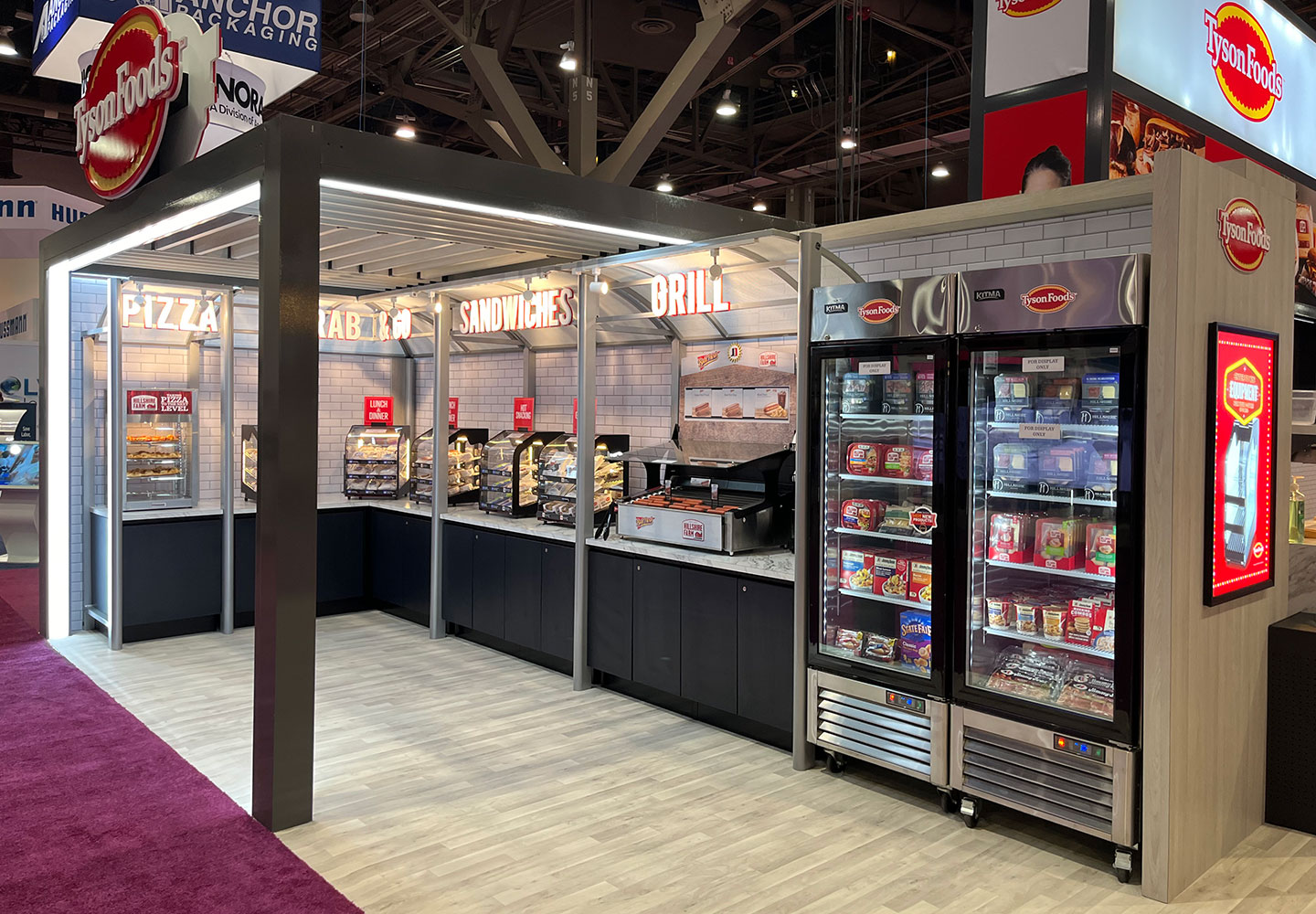
Convenience store foodservice continues to play an increasingly central role in convenience retail growth. Industry data from sources like NACS continues to reinforce this shift.
As quick-service restaurant brands expand into c-store environments through branded kiosks, co-branded programs, and elevated food offerings, the competitive landscape is evolving. Coverage from platforms like C-Store Dive highlights how quickly this segment is growing.
This shift is not limited to who is offering food. It is changing how customers evaluate the in-store experience.
When foodservice becomes more visible, more consistent, and more integrated into the store, customer expectations adjust accordingly.
Customers are no longer comparing one convenience store to another.
They are comparing the experience to the last foodservice environment they visited.
This shift introduces a new standard for convenience store foodservice.
The Shift From Offering to Experience
Historically, foodservice in convenience retail functioned as an add-on category. Programs were designed to complement fuel-driven traffic and provide incremental sales.
That model is changing.
Convenience store foodservice is now a primary driver of store visits, and the expectations associated with it are evolving. As more stores introduce expanded menus, branded offerings, and daypart-driven programs, the role of foodservice becomes more complex.
The focus moves from simply offering food to delivering a consistent and recognizable experience.
How Customer Expectations Are Changing
As QSR influence increases within the c-store environment, customers begin to apply a different lens.
They expect:
- Clear visibility of food options
- Consistent product presentation
- Efficient access and flow
- A level of organization that reduces uncertainty
These expectations are not formed within the c-store channel. They are shaped by broader foodservice experiences.
As a result, even well-developed programs can underperform if the environment does not support them effectively.
The Growing Importance of the Physical Environment
As convenience foodservice programs scale, the physical environment becomes a critical component of performance.
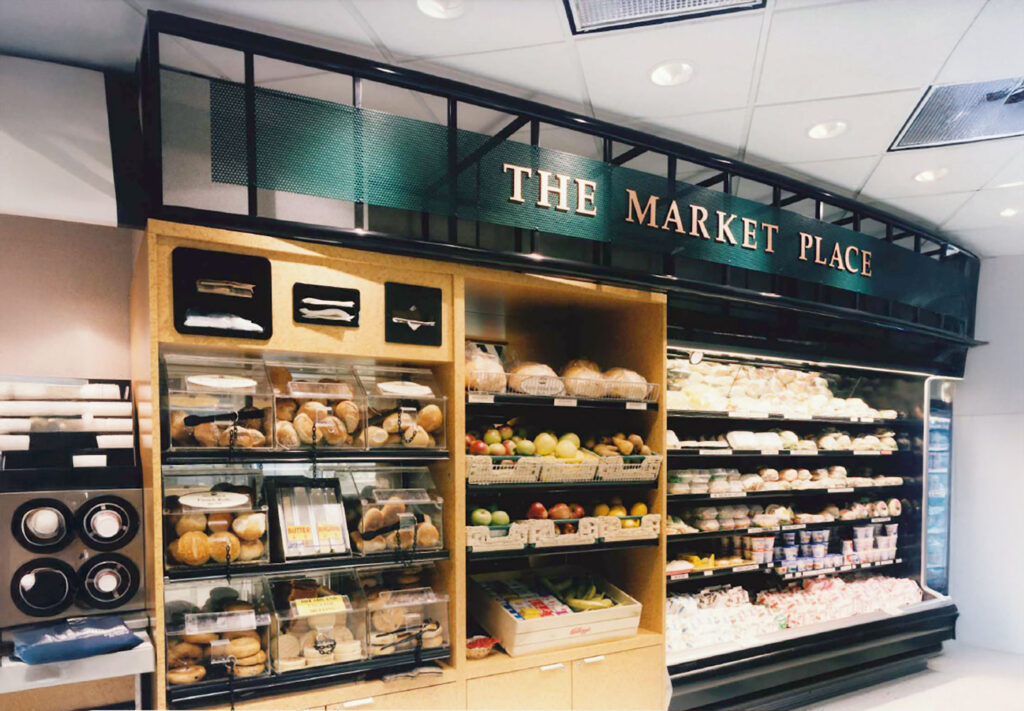
Layout, visibility, and flow directly influence how customers engage with foodservice offerings. The placement of equipment, the organization of stations, and the clarity of presentation all contribute to how easily a customer can navigate the space.
Operationally, the environment must also support:
- Efficient replenishment
- Consistent product availability
- Smooth team workflows
When these elements are aligned, programs are able to scale more effectively. When they are not, complexity increases without a corresponding increase in performance.
Supporting this level of execution often requires systems and merchandising solutions designed specifically for foodservice environments, such as those available through FOODPROS.
Aligning Infrastructure With Expectation
Expanding foodservice offerings without aligning the supporting environment creates a gap.
Addressing this gap often requires modular systems and infrastructure designed to support consistency across locations.
This gap often appears as:
- Slower service
- Inconsistent presentation
- Reduced customer engagement
As expectations continue to rise, this gap becomes more visible.
The stores that perform best will not only invest in their foodservice programs. They will ensure the infrastructure supporting those programs is designed to meet the expectations that come with them.
The Role of Consistency at Scale
As convenience store foodservice continues to evolve, consistency becomes a defining factor in long-term performance.
Operators are no longer managing a single environment. They are managing multiple locations, teams, and customer expectations simultaneously.
Without systems that support repeatable execution, even strong foodservice programs can become inconsistent across locations.
Consistency is not achieved through effort alone. It is supported by infrastructure, layout, and systems designed to perform the same way every time.
Conclusion
Quick-service restaurant expansion into convenience retail is not simply increasing competition. It is redefining the standard by which foodservice programs are evaluated.
As this shift continues, success will depend on more than menu expansion.
It will depend on the ability to design environments that support performance, consistency, and customer expectation at scale.
