
At-home coffee isn’t just popular, it’s dominant. But if you stop the story there, you miss the part that actually drives retail foodservice.
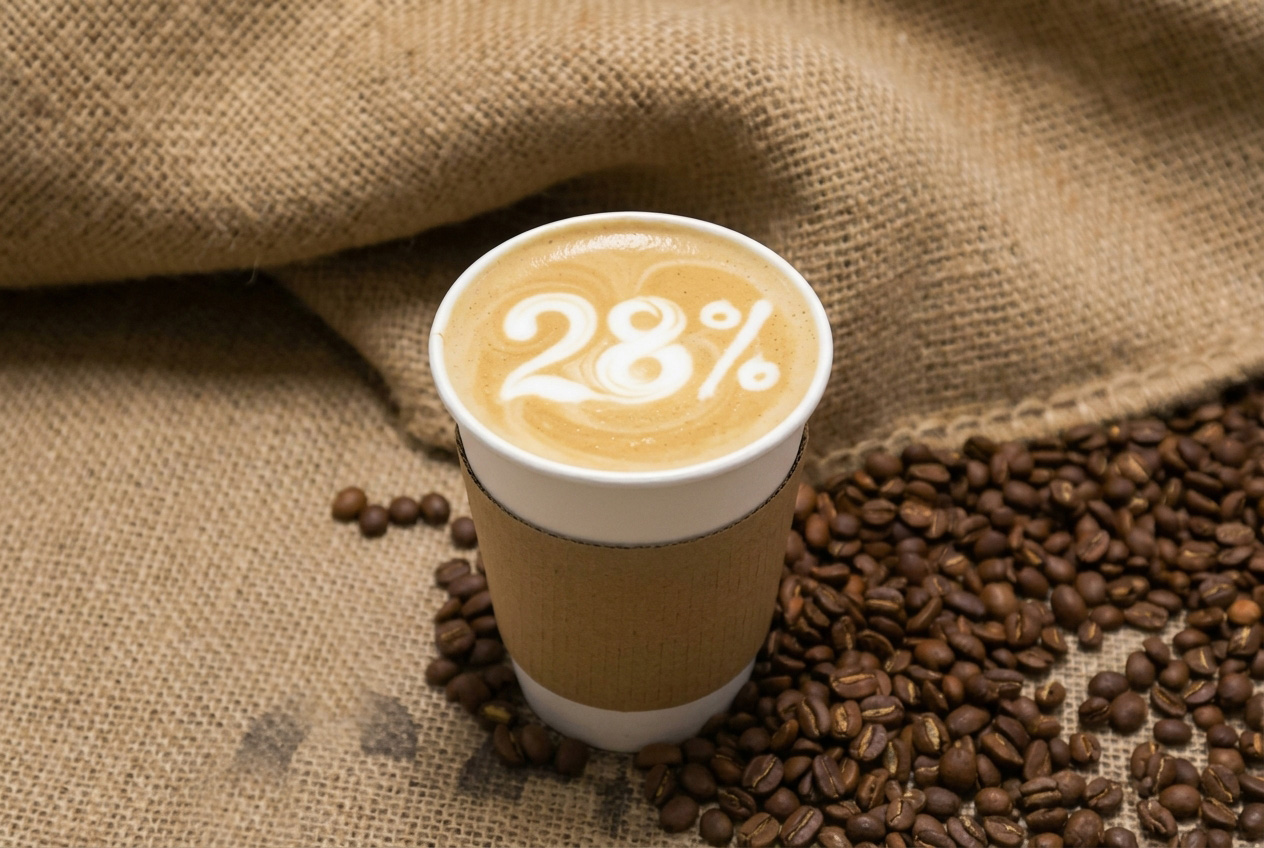
Roughly 28% of U.S. coffee drinkers are still choosing coffee prepared away from home. That number might sound small at first glance. It’s not.
The Minority That Matters in Foodservice
According to data from the National Coffee Association, coffee continues to lead all beverages in daily consumption across the U.S. But more importantly, a meaningful share of that consumption still happens outside the home during commutes, at work, and in-store.
That 28% represents something different than the at-home crowd:
- They’re in motion
- They’re making quick decisions
- They’re far more influenced by environment, visibility, and convenience
This is the customer every convenience store is trying to capture.
In other words, they’re not just buying coffee. They’re responding to how it’s presented.
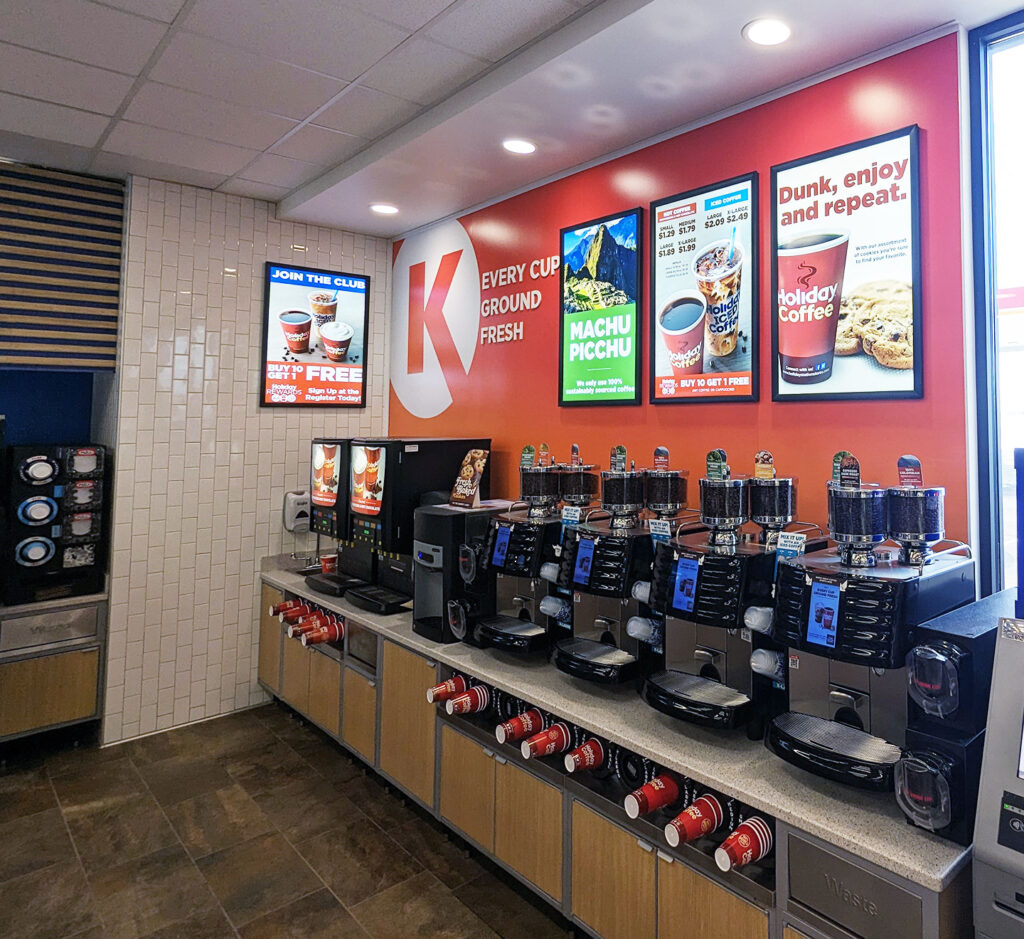
Away-From-Home Coffee Is an Experience Purchase
At home, coffee is routine. Away from home, it becomes a choice.
Industry data continues to show growth in premium and specialty coffee consumption, with customers increasingly willing to trade up for:
- Better quality
- Cleaner environments
- More appealing setups
Sources like Statista and CoffeeBI reinforce that when customers leave home for coffee, they’re not looking for “just coffee.” They’re looking for a better version of it.
Where C-Stores Win (and Lose)
Convenience stores already have the advantage:
- Location
- Speed
- Frequency of visits
But coffee is one of the few categories where those advantages alone aren’t enough.
Because the competition isn’t just the store down the street.
It’s:
- The kitchen at home
- The coffee shop experience
- The expectation of something “worth stopping for”
If the setup feels outdated, cluttered, or purely functional, customers notice, and they opt out just as quickly.
The Presentation is the Real Opportunity for Coffee
This is where the 28% becomes actionable.
If customers are already open to buying coffee away from home, the deciding factor often comes down to:
- Visibility
- Organization
- Perceived cleanliness
- Ease of use
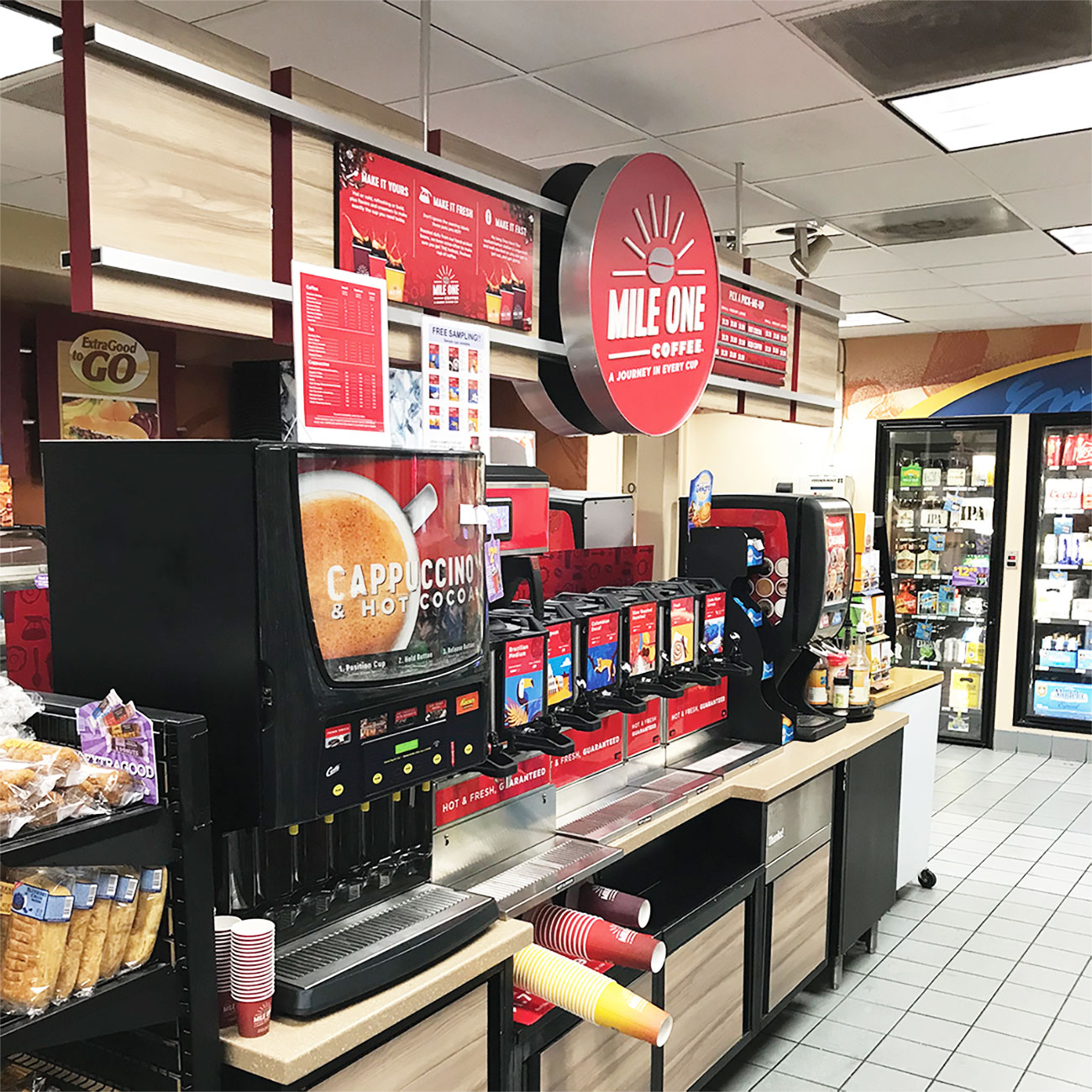
Small changes in layout and merchandising can shift perception fast:
- Clearly organized condiments and lids
- Defined zones for ordering and pickup
- Cleaner, more intentional presentation
The product didn’t change, but the experience did. Well-designed foodservice environments, from convenience stores to other high-traffic retail settings, make products easier to see, easier to choose, and easier to purchase.
Turning Coffee Into a Destination
This is also where thoughtful fixture and display design plays a role, not as a centerpiece, but as a quiet driver of consistency.
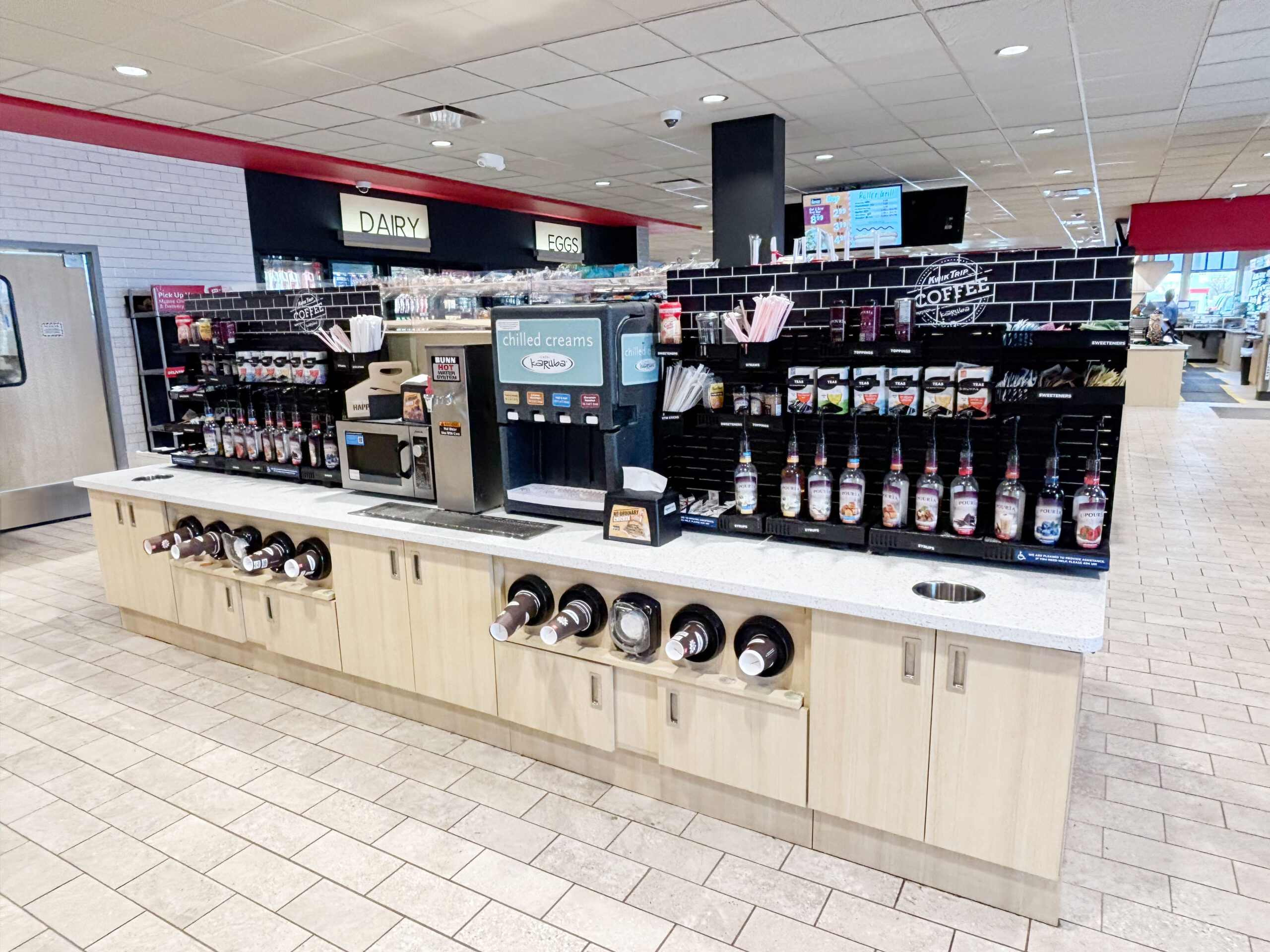
Well-executed coffee programs often share a few traits:
- Structured layouts that guide the customer
- Integrated merchandising for add-ons and impulse items
- Clean, cohesive visual branding
Solutions like PanelRak™ are often used to support this, not by taking over the space, but by organizing it in a way that feels intentional and easy to shop.
The goal isn’t to overbuild. It’s to remove friction.
Why Coffee Continues to Outperform in C Stores
Coffee remains one of the most resilient categories in c store foodservice because it combines frequency, margin, and habit. Unlike many prepared foods, it is part of a daily routine, which creates repeat visits and consistent demand. When executed well, it becomes more than a product, it becomes a dependable traffic driver.
Where Coffee Actually Wins
At-home coffee may win on volume, but away-from-home coffee is where brands win on experience.
And experience is what turns a routine stop into a repeat one.
Explore how coffee layouts and merchandising solutions, from FCI support better visibility and in-store performance.
