
Introduction
Multi location growth in convenience retail rarely slows because of customer traffic.
More often, it slows because every store was built a little differently.
As foodservice programs expand, brands eventually face a decision: continue adapting location by location, or build structural systems that allow stores to be replicated efficiently across the network.
Infrastructure is not just a construction detail. It influences how quickly a brand can scale, how efficiently capital is used, and how disruptive refresh cycles become over time.
Structural standardization is often what separates scalable growth from expensive trial and error.
Growth Magnifies Structural Inconsistency
A single location can absorb design improvisation.
A growing network cannot.
When each store varies in areas such as:
• framing systems
• electrical routing
• ventilation integration
• fixture anchoring
• digital infrastructure
rollouts become slower and more complicated.
Instead of repeating a proven design, teams spend time redesigning each store. Capital costs increase because upgrades require demolition rather than simple reconfiguration.
Over time, those differences begin to compound. They can also affect the customer experience when stores feel inconsistent from one location to the next.
What Structural Standardization Means
Structural standardization in convenience retail means designing foundational systems that can be repeated across locations without starting from scratch each time.
In practice, that often includes:
• modular framing systems
• integrated pathways for digital infrastructure
• predictable load planning
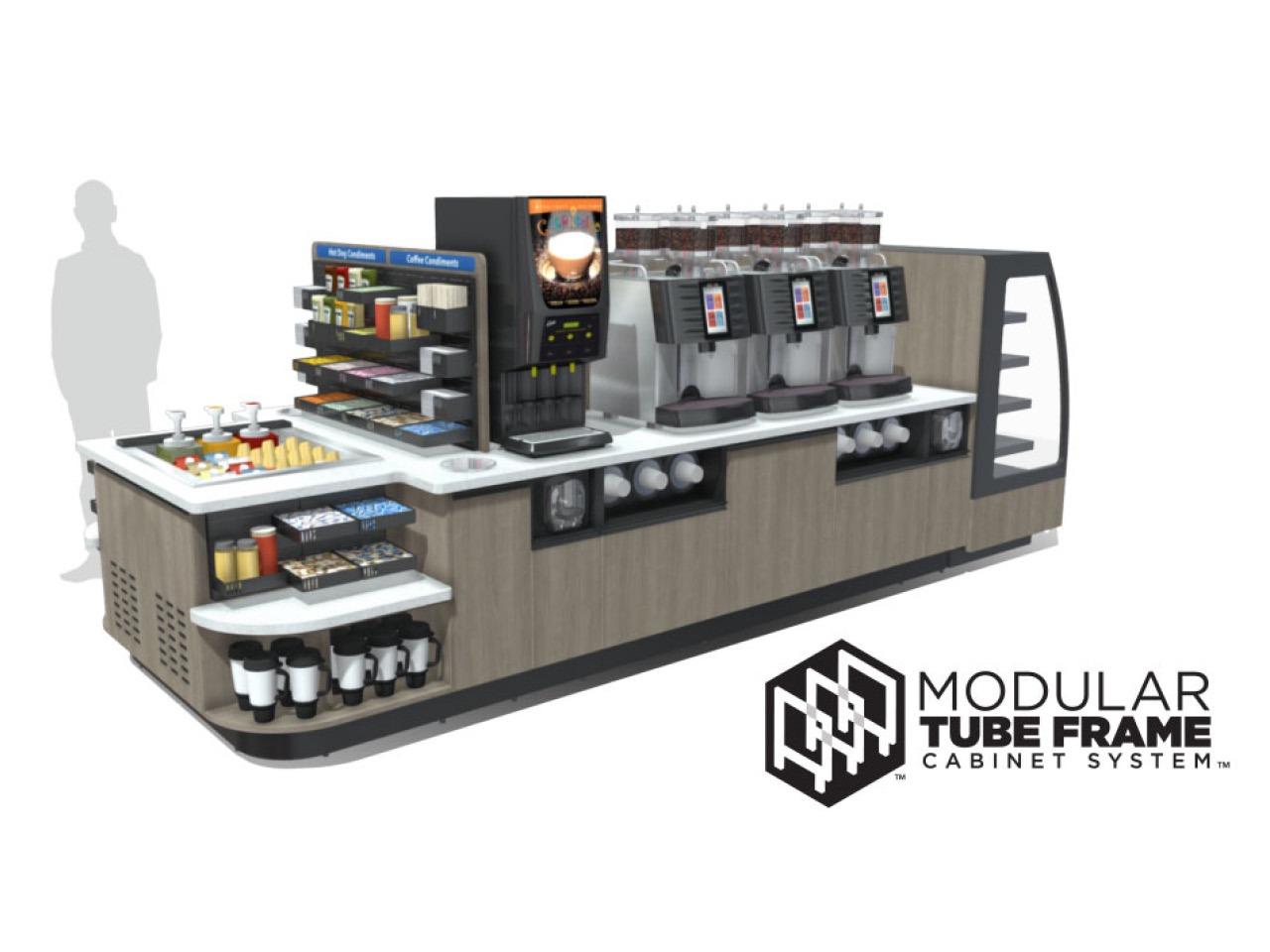
• reconfigurable cabinetry
• repeatable merchandising zones
When structure is consistent, innovation becomes easier. Brands can introduce new programs without rebuilding the environment that supports them.
Why Rollout Velocity Matters
Speed has become a competitive advantage in convenience retail.
Brands that can open, refresh, or adapt locations without structural redesign often gain meaningful operational benefits, including:
• faster time to revenue
• less disruption during upgrades
• reduced contractor complexity
• consistent brand presentation
• lower long term retrofit costs
Rollout velocity is not simply a marketing outcome. It is largely determined by the underlying engineering decisions made earlier in the process.
Capital Discipline Starts with Structural Foresight
Retrofitting infrastructure during expansion is one of the most expensive phases of multi location growth.
Common capital drains include:
• electrical upgrades during digital integration
• ventilation improvements required for expanded hot food programs
• fixture demolition during layout adjustments
• rework caused by inconsistent framing standards
Planning infrastructure with long term scalability in mind helps reduce demolition, protect capital, and support more predictable expansion.
Engineered Infrastructure Supports Adaptability
Convenience retail foodservice continues to evolve.
Many stores are introducing:
• expanded hot food programs
• digital menu systems
• self service beverage stations
• more complex merchandising strategies
• new regulatory requirements
Infrastructure needs to support those changes.
Well engineered structural systems allow brands to adapt programs without rebuilding the core environment that supports them. In many cases, that flexibility extends to the equipment and merchandising systems used within the space.
Many operators implement adaptable merchandising and foodservice equipment through platforms like FOODPROS, which provides direct access to solutions designed for convenience retail environments.
At Food Concepts, Inc. (FCI), structural systems are designed with that long term scalability in mind, helping support foodservice environments across multi location brands.
Standardization does not limit innovation.
In many cases, it is what makes innovation possible.
Conclusion
Multi location growth rarely slows because of traffic.
It slows when infrastructure was designed for a single store rather than a growing network.
Structural standardization helps brands move faster, protect capital, and maintain consistency across locations.
And over time, rollout velocity becomes a meaningful competitive advantage.
FAQ
What is structural standardization in convenience retail?
Structural standardization means designing repeatable framing, electrical, and merchandising systems so stores can scale across multiple locations without redesigning each environment.
Why does inconsistent store design increase capital costs?
When infrastructure varies from location to location, refresh cycles often require demolition and retrofitting. This increases contractor costs and disrupts operations.
How does infrastructure affect rollout velocity?
Standardized systems make it easier to open new stores, refresh existing locations, and expand programs without redesigning each space.
What helps reduce demolition during store refresh cycles?
Modular and reconfigurable structural systems allow stores to adapt within existing frameworks rather than requiring large scale tear outs.
