
Executive Summary
Foodservice continues to reshape the convenience store industry. Roller grill programs, coffee destinations, and grab-and-go displays are driving repeat visits and increasing impulse purchases.
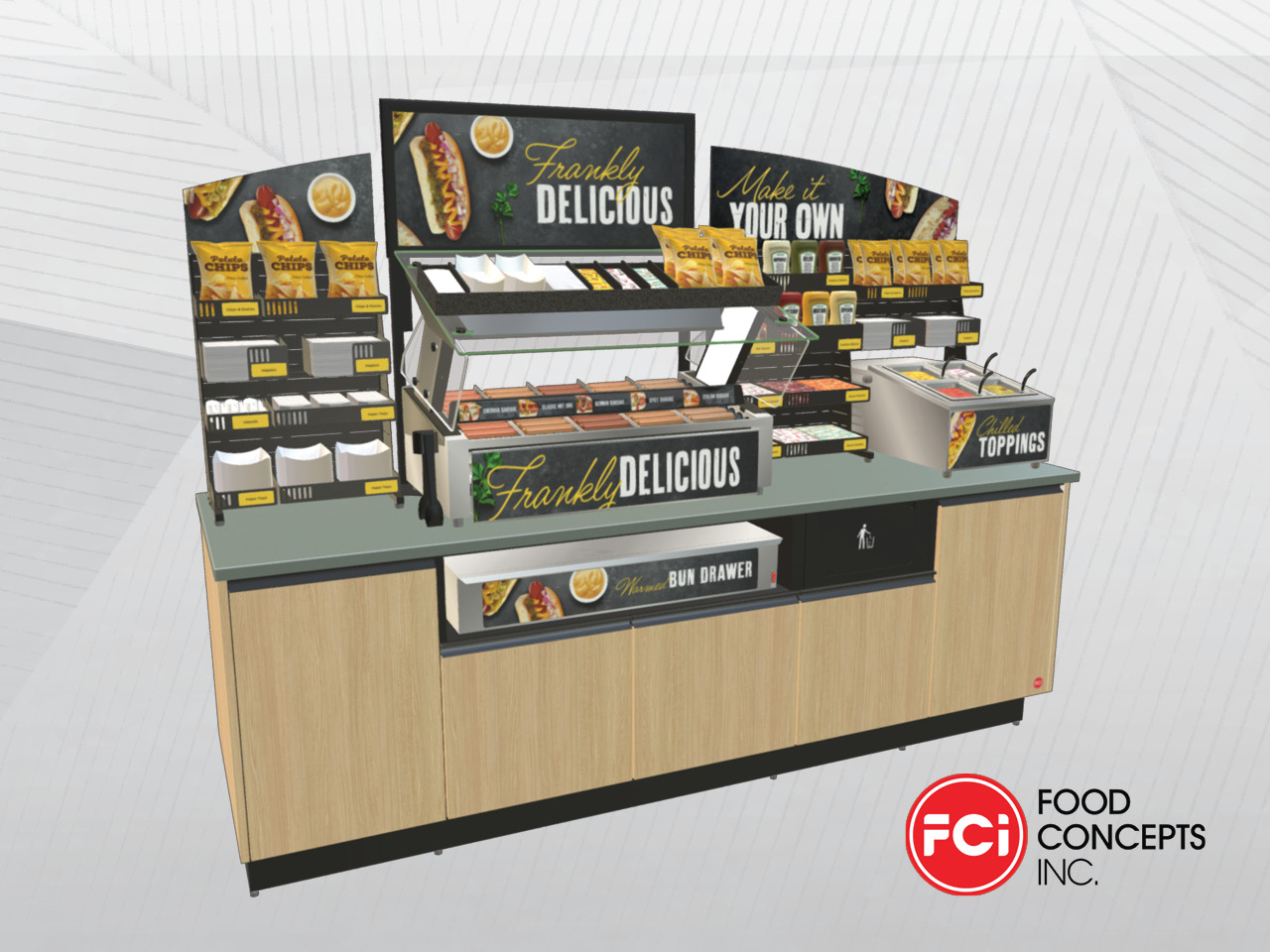
While many consumers search for “hot dog rollers,” operators across the c-store industry refer to these programs as roller grills because they support a wider range of hot food items. When hot food, beverages, and fresh items are placed where customers naturally move through the store, visibility increases and sales often follow.
Industry reporting from CStore Decisions highlights how evolving shopper preferences are reshaping convenience retail foodservice.
Roller Grill Programs Still Drive C-Store Traffic
Roller grill programs remain one of the most recognizable foodservice offerings in convenience stores.
While consumers may search for “hot dog rollers,” c-store operators typically refer to these programs as roller grills because they support a broader range of items beyond traditional hot dogs.
Today’s roller grill programs frequently include:
• taquitos
• breakfast sausages
• egg rolls
• specialty hot dogs
• limited-time menu items
What makes roller grill programs effective is not just the equipment itself. It is how the program is positioned inside the store.
Visibility, aroma, and placement near high-traffic areas help encourage impulse purchases and repeat visits.
Coffee Programs Are Becoming Daily Traffic Drivers
Coffee programs are another major driver of convenience store foodservice growth.
Customers now expect coffee quality that rivals quick-service restaurants. Premium beans, cold brew, flavored syrups, and specialty beverages have become common in modern c-stores.
A successful coffee destination typically includes:
• clear menu communication
• organized condiment areas
• visible cup dispensers
• well-lit beverage equipment
• easy customer access
When coffee stations are clean, structured, and easy to navigate, they signal quality before the first cup is poured.
In many stores, the combination of coffee and hot food creates one of the most reliable repeat-visit patterns in retail.
Protein and Snack Categories Are Driving New Foodservice Demand
Recent reporting from CStore Decisions highlights how protein-focused products are gaining traction in convenience retail as consumers increasingly seek portable, higher-protein food options.
At the same time, snack categories remain one of the strongest impulse drivers in the channel. Industry analysis shows candy and snack categories continue to generate strong sales in convenience retail, reinforcing the importance of strategic merchandising and product visibility.
For operators, this reinforces a simple reality:
Food visibility matters.
When snacks, hot food, and grab-and-go items are clearly visible, customers engage with them more frequently.
Food Visibility Drives Impulse Purchases
One of the most overlooked factors in convenience store foodservice is food visibility.
Customers rarely enter a store planning to buy food. Instead, purchases often happen when items are seen while moving through the store.
Open displays, heated cases, and roller grill stations all contribute to impulse purchases when they are positioned along natural customer traffic paths.
Successful stores often focus on:
• clear sightlines to hot food
• defined foodservice zones
• uncluttered condiment areas
• intuitive customer flow
When foodservice programs are easy to see and easy to access, customers engage with them more frequently.
Store Layout and Customer Flow Matter
Foodservice success is closely tied to store layout.
Customers moving through the store should be able to quickly identify:
• hot food options
• coffee destinations
• grab-and-go items
• condiment areas
When these elements are scattered, customers hesitate. When they are organized into clear zones, the experience becomes faster and more intuitive.
Many operators design their foodservice areas so roller grills, beverage programs, and grab-and-go displays sit along the natural impulse path between the entrance and checkout.
This layout encourages engagement without slowing the customer down.
Many operators expanding foodservice programs also look at how the surrounding store environment supports those programs. Layout, infrastructure, and merchandising systems all influence how easily foodservice can scale across locations.
The Bigger Picture for Convenience Store Foodservice
Foodservice is no longer an add-on category in convenience retail.
It is becoming a defining part of store identity.
Roller grill programs, coffee destinations, and grab-and-go displays help stores create:
• repeat daily traffic
• stronger margins
• higher perceived food quality
• more consistent customer engagement
While convenience stores remain the primary environment for these programs, similar foodservice strategies are also appearing in stadium concessions, campus dining, healthcare foodservice, and micromarket environments.
Operators who focus on visibility, layout, and merchandising strategy often achieve the strongest results.
FAQ
Why are roller grills common in convenience stores?
Roller grills allow stores to offer hot food items that are highly visible, easy to prepare, and well-suited for impulse purchases.
Are roller grills only used for hot dogs?
No. While many consumers search for hot dog rollers, roller grills in convenience stores are commonly used for items such as taquitos, breakfast sausages, and specialty hot food items.
Why do coffee programs increase convenience store sales?
Coffee programs create daily routines for customers and often pair with breakfast items or grab-and-go food purchases.
How does food visibility influence convenience store sales?
When hot food and grab-and-go items are visible along natural customer traffic paths, impulse purchases increase.
