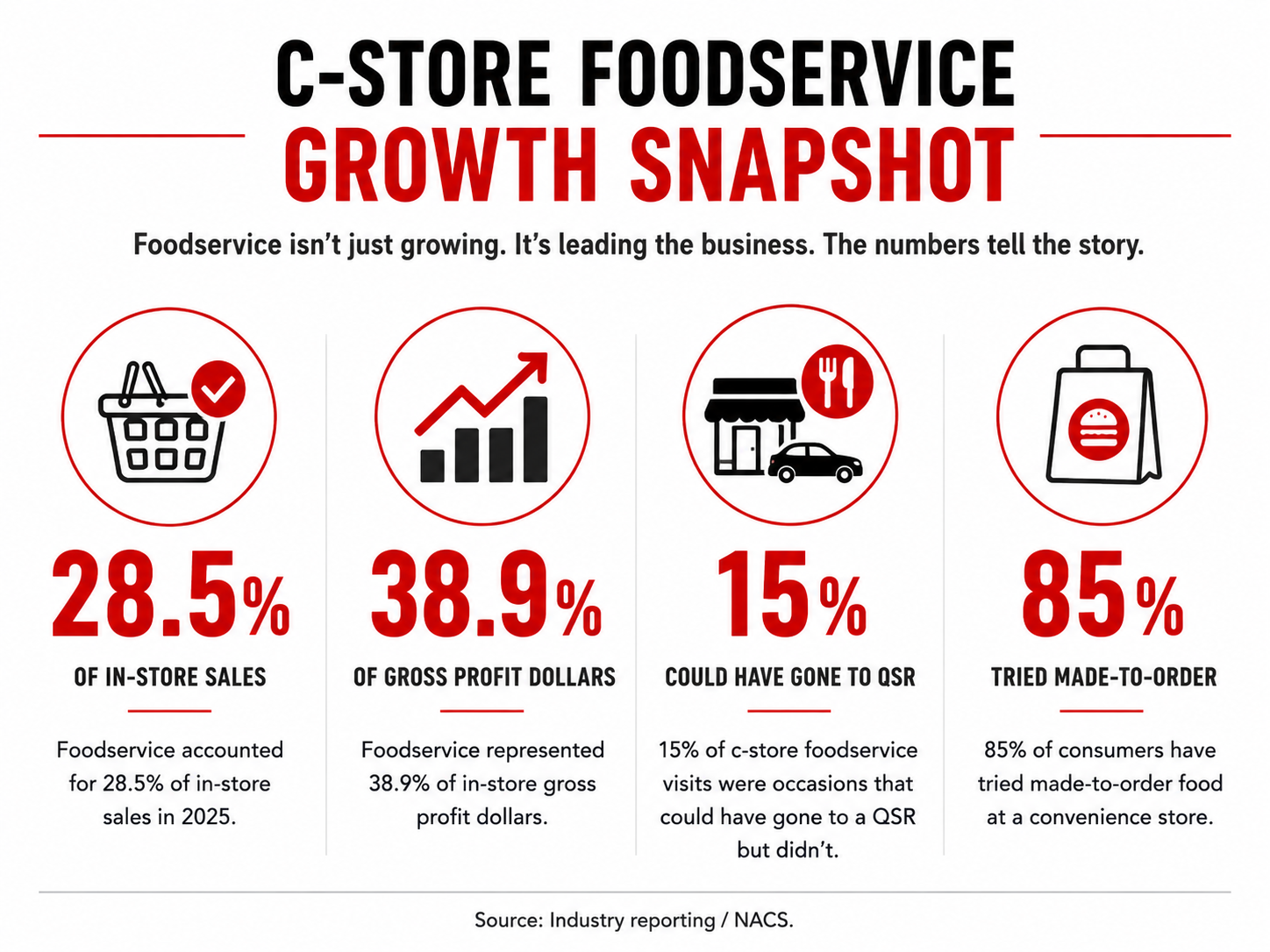
Convenience stores aren’t just competing with quick-service restaurants anymore, they’re taking share from them. In fact, recent data shows that 15% of c-store foodservice visits are occasions that could have gone to a QSR but didn’t.
That’s not a small shift. That’s a change in behavior.
At the same time, foodservice now accounts for 28.5% of in-store sales and nearly 39% of gross margin dollars in convenience retail meaning this isn’t a side category anymore, it’s the business.
So what’s driving the shift?
It’s not just the food. It’s the store.
Customers Aren’t Comparing You to Other C-Stores Anymore
Today’s customer doesn’t walk into a convenience store and think, “How does this compare to the store down the street?” They’re thinking, “Is this faster, easier, and better than my last food experience?”
And increasingly, that last experience was a restaurant. As expectations rise, the baseline has changed. Customers now expect:
- Clear visibility of food options
- Fast, intuitive access
- Clean, organized environments
- Consistent presentation
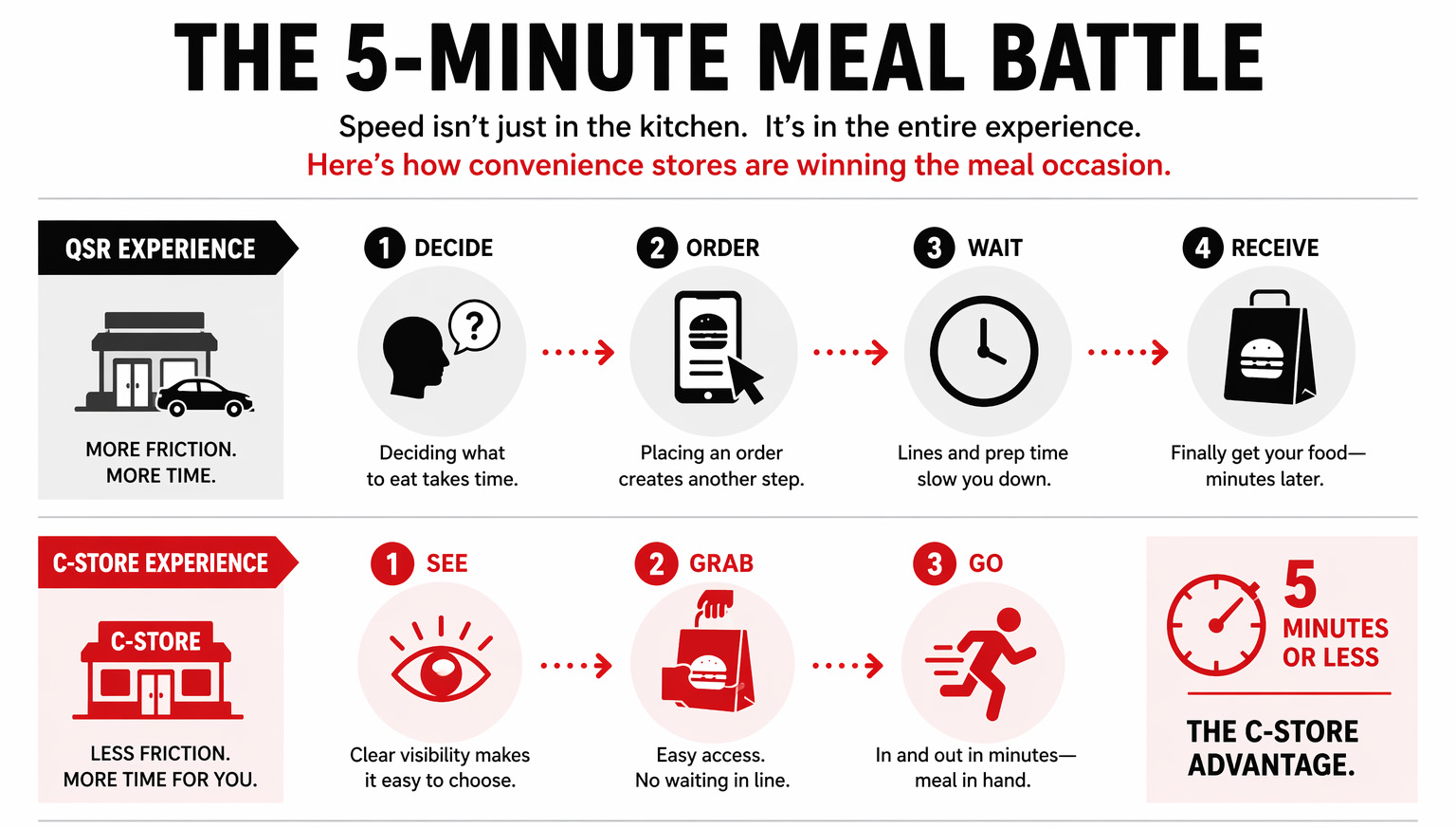
The Real Advantage: Speed Without Friction
Convenience stores have a built-in advantage in foodservice: time.
Not just how fast food is made, but how fast it’s:
- Found
- Understood
- Grabbed
- Purchased
That entire experience happens before the first bite, and when it works, it feels effortless.
When it doesn’t, customers leave.
This is where many QSRs struggle. Drive-thrus have lines. Apps have friction. Menus have complexity.
C-stores, on the other hand, win when the store itself does the selling.
Foodservice Growth Is Being Built Into the Environment
The rise of c-store foodservice didn’t happen overnight. It’s been built piece by piece:
- Expanded hot food programs
- Made-to-order offerings
- Grab-and-go innovation
- Coffee and beverage upgrades
Today, 85% of consumers have tried made-to-order food at a convenience store, and adoption continues to grow.
The stores that win aren’t just adding food, they’re designing for it. Foodservice success depends on:
- Visibility If customers don’t see it, they don’t buy it
- Flow If it slows them down, they skip it
- Clarity If it’s confusing, they default to something else
- Trust Cleanliness and organization directly impact food perception
That’s not a kitchen problem. That’s a store design problem.
Why the Physical Store Matters More Than Ever
In a world of shrinking attention spans and impulse-driven decisions, the store has become the primary sales tool.
Not just signage, fixtures or equipment, but the entire environment working together.
High-performing operators are thinking in terms of:
- Zones, not departments
- Speed, not just selection
- Experience, not just product
Because the reality is simple: If a customer can’t complete a food purchase in a few minutes, they’ll find somewhere else that lets them. Increasingly, that “somewhere else” is… another c-store.
What This Means for Operators
If foodservice is now a primary revenue driver, and a competitive differentiator, then it can’t be treated like an add-on.
It needs to be intentional.
That means asking better questions:
- Is your foodservice visible from the entrance?
- Does your layout guide customers naturally toward food?
- Are you making it easy to say “yes” to an impulse purchase?
- Is your store designed for speed, or just stocked for it?
Because winning foodservice today isn’t about adding more.
It’s about executing better.
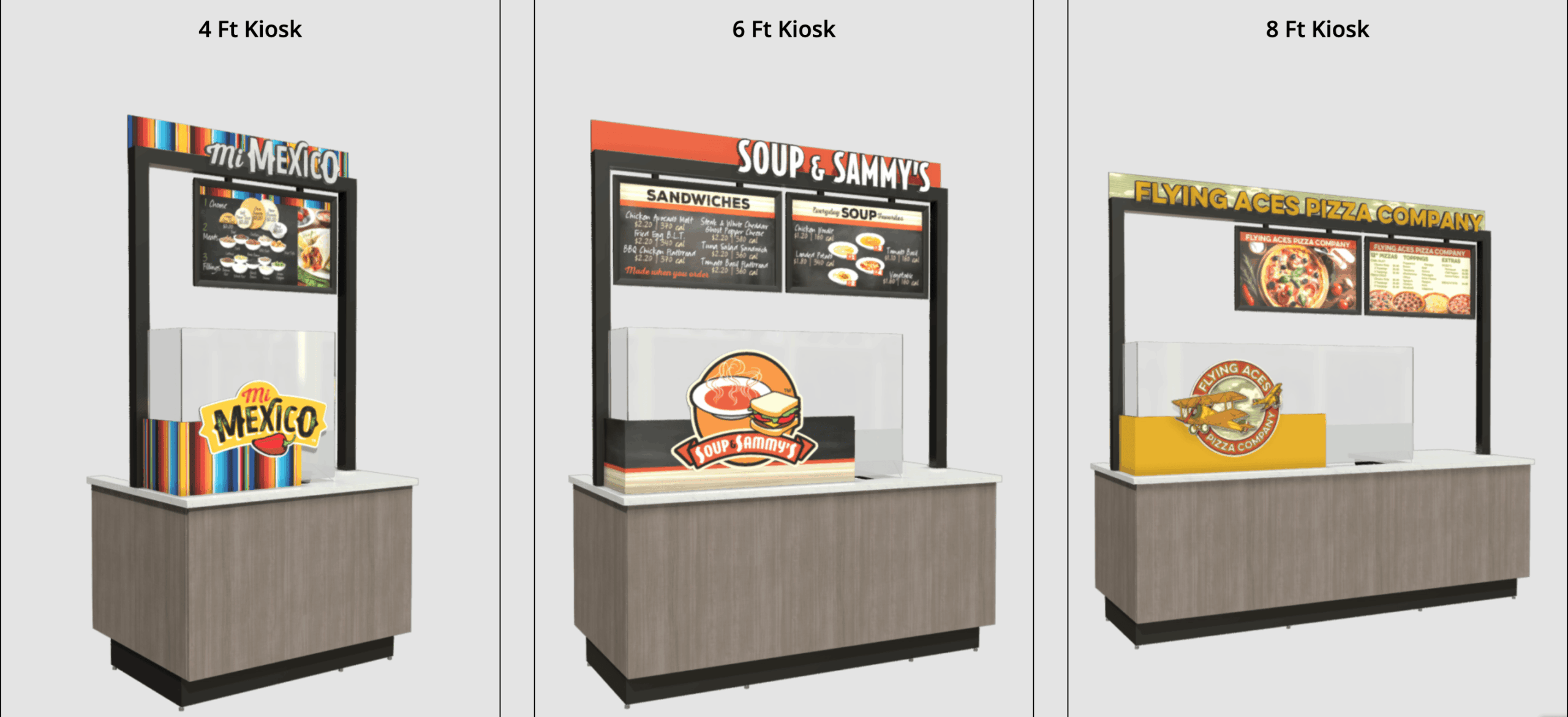
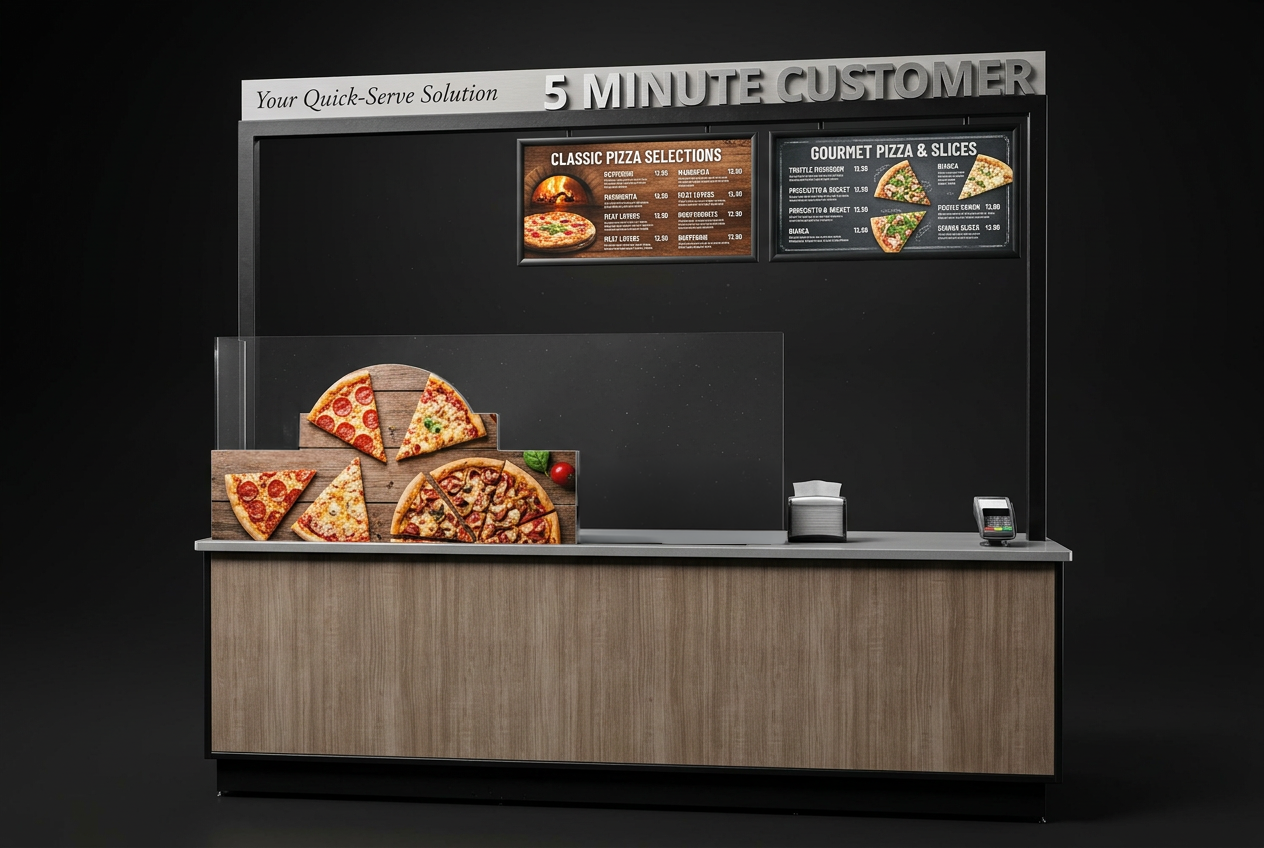
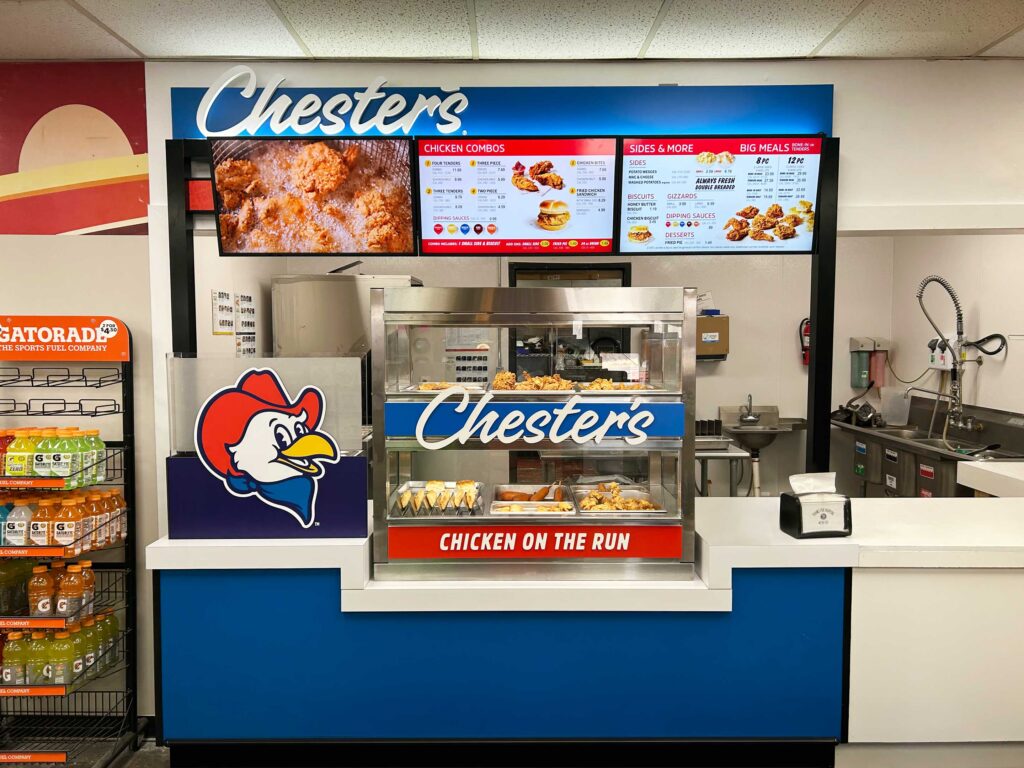
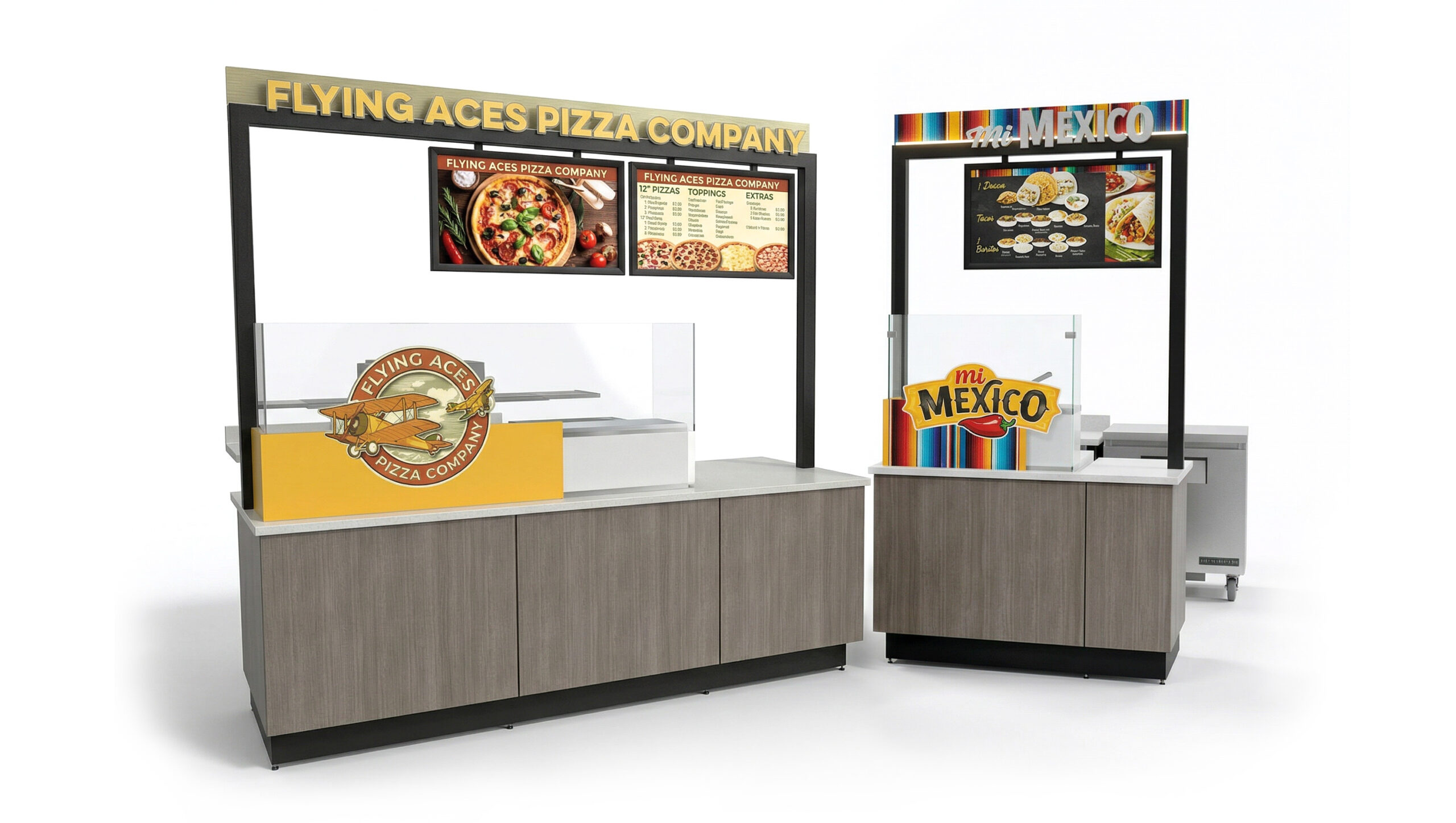
Solutions like MTF Foodservice Kiosks™ allow operators to expand foodservice without expanding footprint; bringing structure, branding, and efficiency into one cohesive system.
When that system is designed correctly, the store starts doing the selling.
Convenience stores aren’t winning because they became restaurants, they’re winning because they removed friction from the food experience.
And the operators who understand that are not just competing with QSRs anymore, they’re redefining what “fast food” actually means.