
From Gas Station to Foodservice Competitor: Building for the Next Era of Convenience Retail
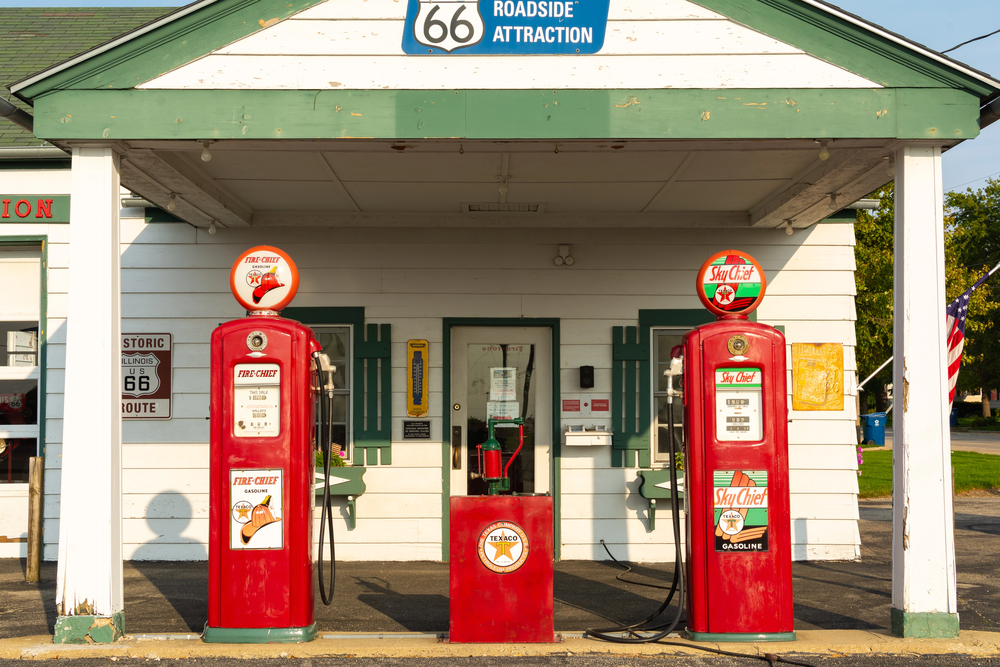
Some of us remember when a gas station really was a gas station.
You pulled up to the pump and an attendant came out to fill the tank. You paid with cash. Sometimes it was only a few dollars.
Inside, there might have been a little store with candy, chips and soda.
The little store started to grow too, with expanded offerings of packaged foods, drinks and everyday convenience items.
Then things started to really change.
C-store operators began to recognize something powerful: they already had a built-in audience. Customers were stopping for fuel, and every return visit created another opportunity to serve them.
Offerings expanded quickly.
Almost overnight, fast-food brands began showing up alongside gas stations and convenience stores.
I remember thinking, Who is going to order food at a gas station?
At the time, it felt strange.
Look at it now.
Today, customers walk into convenience stores expecting fresh coffee, breakfast, pizza, sandwiches, bakery, hot food, grab-and-go meals, roller grill programs, beverages, snacks and increasingly sophisticated limited-time offers.
And somewhere along the way, something happened that I never would have predicted.
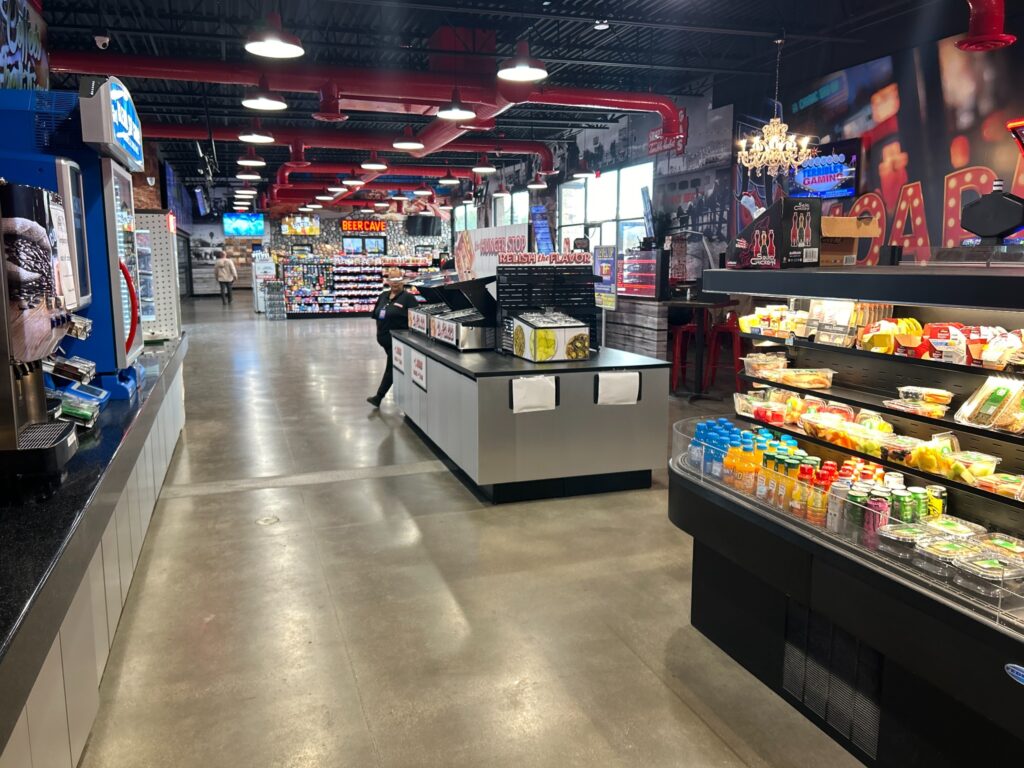
Convenience stores became legitimate competitors to quick-service restaurants.
That may be one of the clearest examples of just how dramatically this industry has evolved.
And now the speed of that evolution is accelerating.
Convenience Is No Longer the Whole Advantage
Convenience stores have always had one obvious advantage built right into the name.
Convenience.
Location. Speed. Fuel. Easy access. Quick transactions.
But best-in-class operators are now combining that convenience with something much bigger: quality foodservice, broader menus, stronger merchandising, better coffee, more sophisticated store environments and increasingly compelling customer experiences.
The numbers show just how significant that transformation has become.
According to NACS, foodservice accounted for 28.5% of convenience-store in-store sales in 2025 and 38.9% of in-store gross profit dollars.
In 2005, foodservice represented just 11.9% of in-store sales.
That means foodservice’s share of inside sales has more than doubled in 20 years, growing by nearly 140%.
Put another way, today more than one out of every four dollars spent inside a convenience store is tied to foodservice, and foodservice generates nearly four out of every ten gross profit dollars.
That is not a small shift in product mix.
That is a fundamental change in what the convenience store has become.
The Competition Changed Too
Never did I imagine convenience stores would become direct competitors to quick-service restaurants.
But that is where we are.
NACS recently reported that one in three convenience-store customers visits a QSR within 30 minutes of a c-store visit, an opportunity the organization estimated at roughly $100 billion in annual sales.
Think about what that means.
The customer who walks into a convenience store is often looking for the same breakfast, lunch, snack or dinner occasion that a restaurant down the street is trying to win.
The battleground is no longer simply gasoline versus gasoline or convenience store versus convenience store.
It is meal occasion versus meal occasion.
And convenience retailers are increasingly proving they can compete.
Recent Placer.ai data found that c-store chains with the strongest lunch shares all grew traffic year over year in early 2026. Buc-ee’s, Kwik Trip, Wawa, QuikTrip, Sheetz and Casey’s each had lunch shares above 25%, and all recorded traffic growth.
Foodservice is becoming a reason to visit, not simply something to purchase after the customer gets there.
The Menu Is Moving at Lightning Speed
The food itself is evolving just as quickly.
Breakfast has become a moving target.
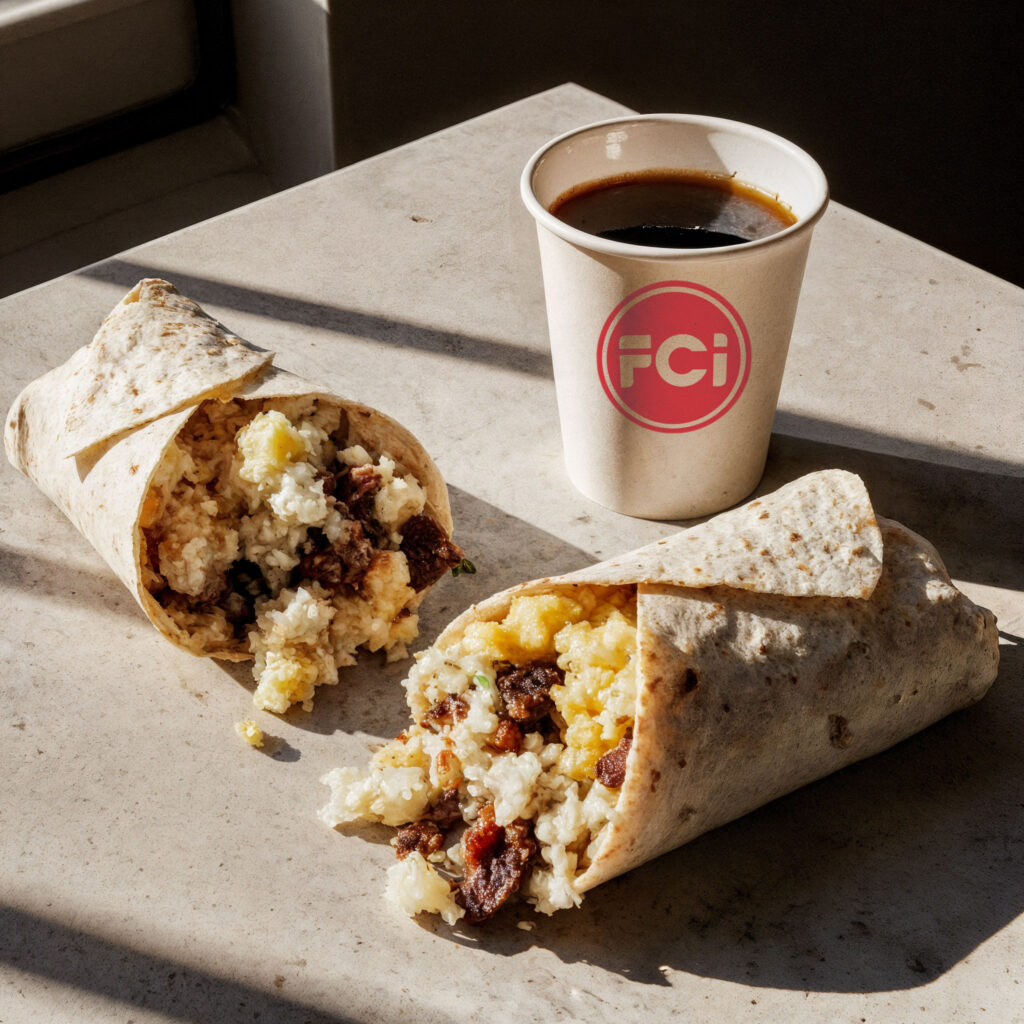
What used to be a fairly defined daypart now stretches across earlier starts, later mornings, grab-and-go needs, protein-forward choices and customers who do not necessarily eat on a traditional schedule.
Lunch has become a major opportunity too.
Global flavors, protein-forward products, seasonal offers and limited-time items are constantly entering the mix.
Retailers are testing new products faster and using familiar foodservice platforms in increasingly creative ways.
That means the menu is no longer something operators can assume will stay relatively static.
It is moving with the customer.
And when the menu moves, the equipment, merchandising and surrounding space have to be ready to move with it.
For a closer look at how changing dayparts are reshaping the roller grill opportunity, read The Roller Grill Isn’t Just for Lunch Anymore.
That evolution also changes the question operators need to ask.
Not simply:
What equipment do we need today?
But:
What will this program need to do tomorrow?
Equipment Has to Support the Direction of the Program
When menus were simpler and more predictable, it was easier to think about equipment as an individual purchase.
We need a roller grill.
We need a warmer.
We need a coffee station.
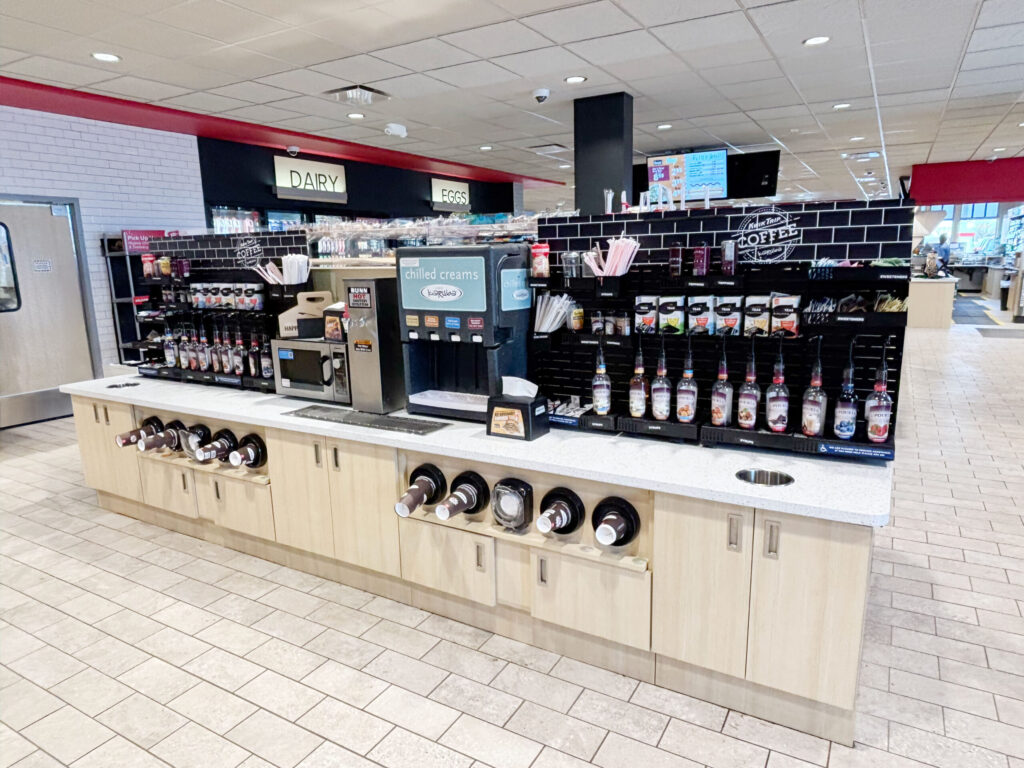
We need a bakery display.
Today, those decisions sit inside a much bigger operating system.
Capacity, footprint, electrical requirements, labor, replenishment, customer flow and product visibility all have to work together.
And increasingly, flexibility has to be part of the conversation too.
A new menu item can look simple on paper and still create real store-level challenges.
That is why equipment decisions cannot live in isolation from the store around them.
Merchandising Has to Think Longer Term Too
The same is true of merchandising.
Products change.
Packaging changes.
Promotions change.
Menus change.
Dayparts change.
Customer expectations change.
A merchandising system that only works for today’s assortment can become tomorrow’s limitation.
That does not mean every fixture has to do everything.
It means the store should be built with enough adaptability to respond when the opportunity changes.
That is the thinking behind flexible systems like PanelRak™, which can help operators reconfigure merchandising as assortments and promotions evolve, and Modular Tube Frame™ Cabinetry (MTF™), which gives retailers a more adaptable foundation for foodservice and merchandising environments.
Every square foot has a job.
And increasingly, that job may need to change.
Innovation Still Has to Survive the Store
There is something exciting about the pace of change in convenience retail right now.
But every new idea eventually has to survive the store.
Employees have to execute it.
Customers have to understand it.
The equipment has to support it.
The space has to accommodate it.
Products have to be replenished.
The program has to remain clean, organized and shoppable.
And if the idea is being rolled out across dozens, hundreds or thousands of stores, it has to work beyond the original test location.
That is where strategy becomes execution.
And it is where long-term thinking becomes especially important.
For Food Concepts, Inc., that has been the work for years.
As designers, strategists and long-term partners in convenience retail, we have focused on helping operators turn ideas into environments that can actually work in the store, from foodservice and merchandising to equipment integration, rollout and installation.
The goal is not simply to solve for today’s need.
It is to help create flexible, practical solutions that give the store room to keep evolving as the customer, menu and opportunity change.
Build for Where Convenience Is Going
Nobody standing at one of those old gas stations could have predicted exactly what today’s convenience store would become.
I certainly would not have predicted that one day we would be talking about convenience stores as some of the biggest competitors to quick-service restaurants.
But here we are.
And that may be the most exciting part of the story.
This industry has demonstrated an extraordinary ability to evolve.
From gas station.
To convenience store.
To foodservice destination.
To serious competitor for the same customers, meal occasions and loyalty once dominated by restaurants.
And the evolution is not slowing down.
So the question now becomes:
If the customer, menu, competition and experience are changing at lightning speed, are we building stores, foodservice programs, merchandising systems and equipment platforms that can change with them?
The goal is not to predict every change.
It is to build enough flexibility into the store that the next opportunity has somewhere to go.
Because if the last several decades have taught us anything, it is this:
Convenience will keep changing. The stores built to change with it will be ready for what comes next.
