
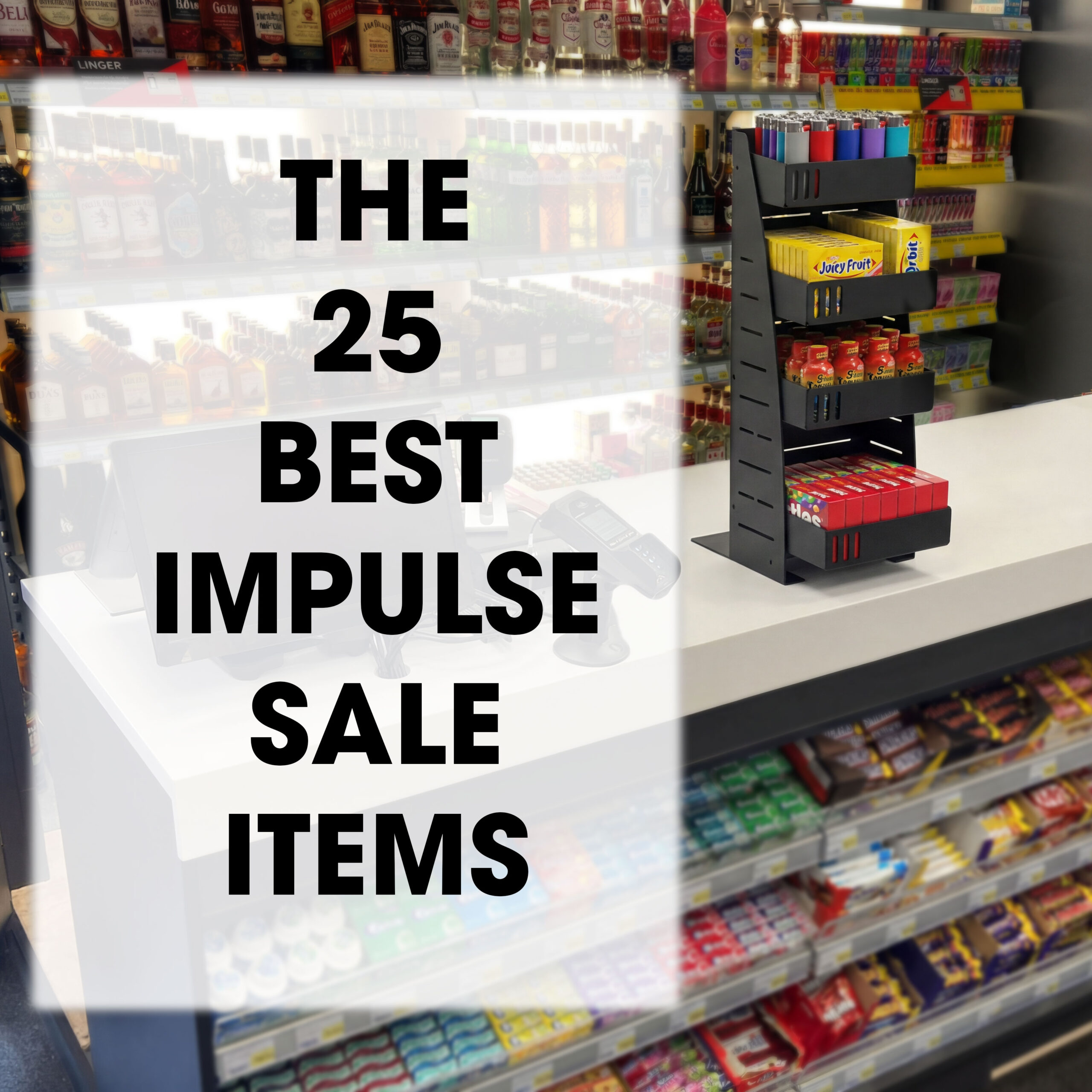
25 Impulse Products Every Convenience Store Should Consider Testing
Impulse merchandising has changed. The days when checkout displays consisted entirely of candy and gum are fading.
Today’s Convenience Store customer is looking for convenience in every sense of the word. Sometimes that’s a snack. Sometimes it’s a charging cable. Sometimes it’s a protein bar they forgot to grab earlier in the trip. The best impulse items solve a problem, satisfy a craving, or complete a purchase already being made.
Increasingly, retailers are finding that those opportunities extend far beyond traditional checkout categories. Success is no longer about stocking more products. It’s about putting the right products in front of customers at exactly the right moment.
The Checkout Mix Is Evolving
Consumer preferences continue to shift toward protein, functionality, and convenience. According to a recent analysis from Food World News, protein has become one of the fastest-growing mainstream food trends, expanding well beyond traditional bars and shakes into everyday snack categories.
At the same time, meat snacks continue to gain momentum. FoodNavigator reports that the global meat snack market reached $11.8 billion in 2025 and is expected to continue growing as consumers seek portable, high-protein options.
The lesson for retailers is simple; the products customers buy on impulse today often look very different than they did ten years ago.
What Makes a Great Impulse Product?
The best impulse products typically share several traits:
- Easy to understand
- Easy to grab
- Low price point
- Immediate usefulness
- Broad appeal
Most importantly, they require very little consideration.
Customers should understand the value within seconds.
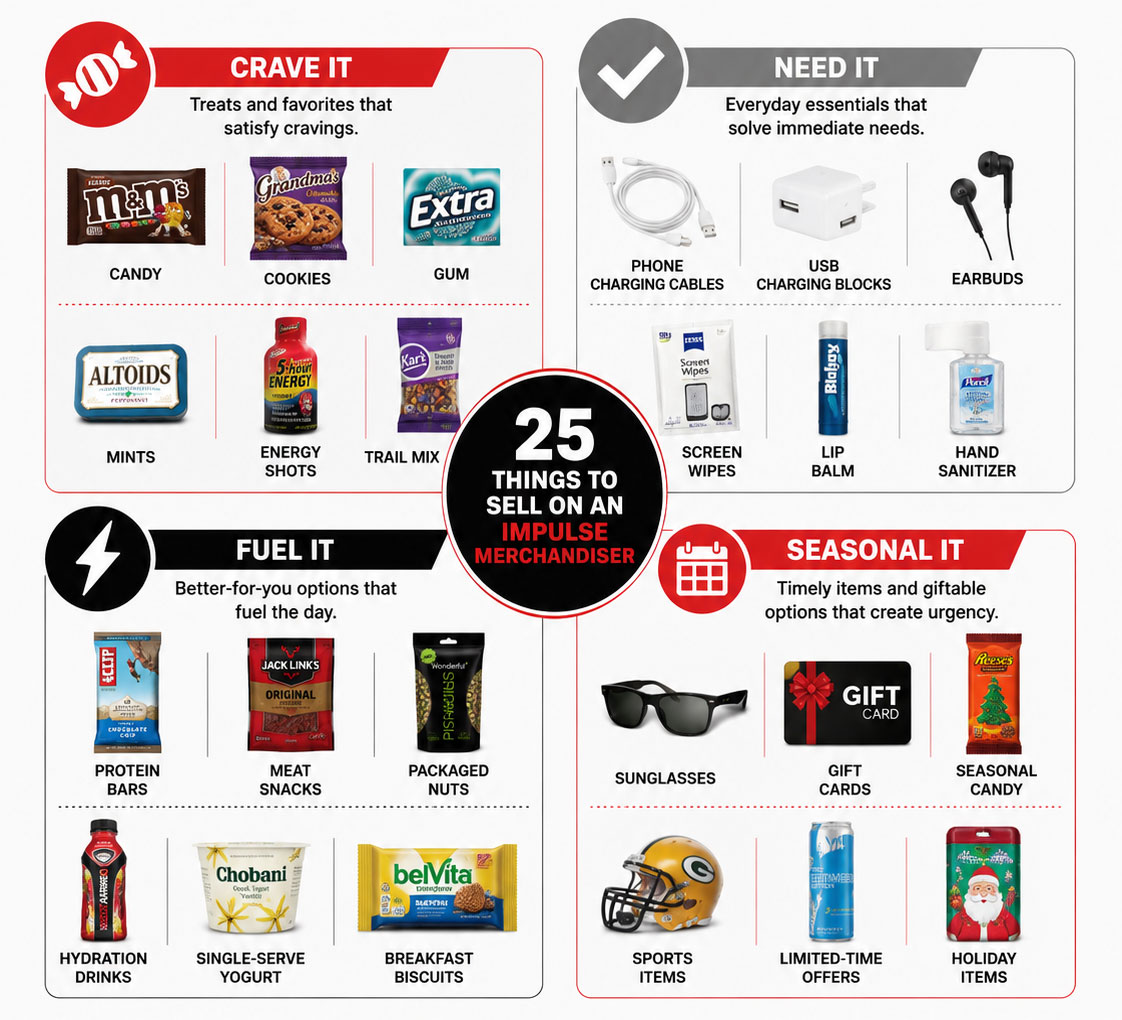
25 Products Worth Testing
Food & Beverage
1. Protein Bars
Still one of the strongest checkout categories for health-conscious consumers.
2. Meat Sticks
Portable, high-protein, and increasingly popular.
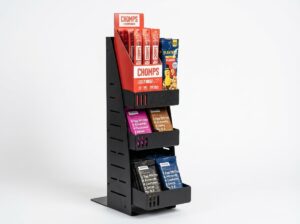
3. Trail Mix
A natural add-on purchase for travelers and commuters.
4. Energy Shots
Small footprint. Strong visibility.
5. Single-Serve Candy
A classic for a reason.
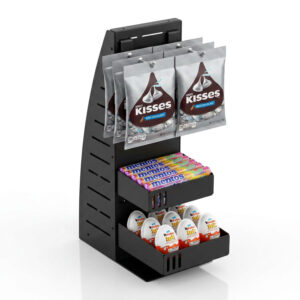
6. Mints
Frequently purchased alongside coffee and foodservice purchases.
7. Gum
Still one of the most recognizable impulse categories in retail.
8. Cookies
Particularly premium or locally branded options.
9. Packaged Nuts
A strong fit for better-for-you snack programs.
10. Seasonal Candy
Convenience Items
11. Phone Charging Cables
One forgotten cable can create an immediate need.
12. USB Charging Blocks
Particularly effective near travel-oriented locations.
13. Earbuds
Small, visible, and often purchased out of necessity.
14. Phone Screen Wipes
Low cost and highly practical.
15. Lip Balm
A year-round staple.
16. Hand Sanitizer
Still relevant in healthcare, education, and travel environments.
17. Travel Tissues
Compact and useful.
18. Reading Glasses
Especially effective in stores with older demographics.
Foodservice Add-Ons
19. Hot Sauce Packets or Bottles
Natural companion products for roller grill programs.
20. Disposable Utensil Kits
Convenience often wins.
21. Condiment Packs
Ideal near prepared food purchases.
22. Single-Serve Crackers
Easy attachment item for soup and deli programs.
Seasonal & Promotional
23. Sunglasses
Strong summer impulse category.
24. Gift Cards
Simple, recognizable, and profitable.
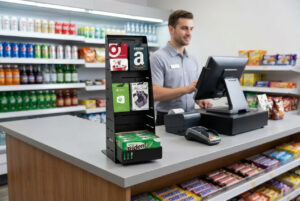
25. Limited-Time Promotional Products
Whether tied to sports seasons, local events, or holidays, scarcity often drives action.
The Common Thread
None of these products require a lengthy sales pitch. Customers already understand them, and that’s what makes them effective.
Research on impulse purchasing consistently shows that visibility and convenience heavily influence unplanned purchases. In airport retail environments, studies have found that time pressure and simplified decision-making significantly increase impulse shopping behavior.
Convenience Stores operate under many of the same conditions. Customers are moving quickly. Attention is limited.
The easier a product is to see and understand, the more likely it is to earn a spot in the basket.
Why Fixture Flexibility Matters
The challenge with impulse merchandising is that trends change.
Ten years ago, protein bars occupied a much smaller share of checkout space. Today they are often a core category. Tomorrow it may be functional snacks, hydration products, or something entirely different.
That is why flexibility matters.
The products will change. Consumer preferences will change. Seasonal promotions will change. Your merchandising fixture shouldn’t have to.
A merchandising system should be designed to evolve as categories, promotions, and customer demand change.
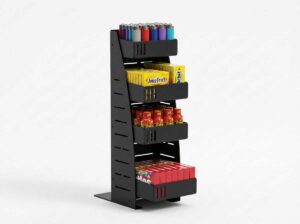
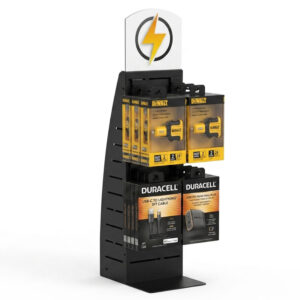
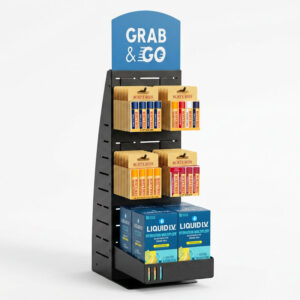
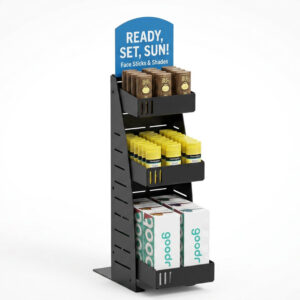
The PanelRak® Modular Organizing System was designed around that concept, allowing retailers to reconfigure displays based on changing product mixes and merchandising needs. The same thinking applies to the PanelRak™ Impulse Merchandiser.
Not because any one product is guaranteed to succeed, but because merchandising works best when retailers can continuously test, adjust, and optimize.
There is no perfect impulse item.
What works in one store may underperform in another.
The goal is not finding a magic product. The goal is creating visibility for products that fit your customers, your location, and your shopping mission.
Start with a few categories. Measure performance. Adjust. Then repeat.
That process often produces far better results than simply filling space with whatever happens to be available.
The most successful retailers aren’t just choosing better impulse products. They’re building merchandising programs that can evolve as quickly as retail itself.
Frequently Asked Questions About Checkout Merchandising
What products sell well on an impulse merchandiser?
The best impulse products are easy to understand, easy to grab, and solve an immediate need. Popular categories include protein bars, meat snacks, trail mix, candy, mints, charging accessories, travel essentials, and foodservice add-ons. The right product mix depends on your customers, location, and shopping mission.
Are protein bars a good checkout item?
Yes. Protein bars have become one of the fastest-growing impulse categories because they appeal to customers looking for convenient, better-for-you snack options. They perform especially well in convenience stores, travel centers, and foodservice environments where customers are looking for a quick purchase.
How can retailers increase checkout sales?
One of the most effective ways to increase checkout sales is by improving product visibility. Placing complementary products where customers naturally pause before completing a purchase creates additional buying opportunities without changing store operations or customer flow.
Is checkout merchandising a good way to increase average order value?
Yes. Checkout merchandising encourages customers to add low-cost, complementary products to purchases they have already decided to make. Even small increases in impulse purchases can improve average order value over time.
What makes a good impulse merchandising fixture?
A good impulse merchandising fixture maximizes product visibility while remaining flexible enough to adapt as products, promotions, and customer preferences change. A merchandising system that can be reconfigured over time helps retailers continue testing and optimizing product assortments without replacing the fixture.
Where can an impulse merchandiser be used?
Impulse merchandisers are effective anywhere customers naturally pause before completing a purchase. Common locations include convenience stores, travel centers, grocery stores, hospitals, universities, stadiums, foodservice operations, and micromarkets.
Why is fixture flexibility important?
Consumer preferences, seasonal promotions, and product categories continue to evolve. A flexible merchandising system allows retailers to reconfigure displays as merchandising needs change, extending the life of the fixture while supporting new products and new merchandising strategies.
